Qualify pump vendors by verifying production capacity, testing protocols, and supply chain controls. Use structured audits and pilot runs to confirm a supplier can meet your project specifications and long-term maintenance needs before signing a contract.
- Define technical and commercial requirements before contacting suppliers to filter out incompatible vendors early.
- Conduct site audits to verify actual production capacity, testing infrastructure, and quality controls.
- Run a pilot or small batch order to test the vendor's reliability, documentation, and support before scaling up.
- Review financial health and supply chain controls to mitigate the risk of production delays or component shortages.
- Establish clear KPIs for post-delivery support, including spare parts availability and technical response times.
Qualifying pump vendors is a structured process. It separates suppliers who can meet your specifications from those who cannot. For critical plant projects, a bad choice creates downtime, cost overruns, and safety risks. The process requires you to define your own criteria first. You cannot measure a vendor against a moving target.
Prerequisites: Define Your Requirements
Before you contact a single supplier, you must have a complete technical package. This includes pump type, flow rates, head, NPSH, and duty point. You also need material specifications for wetted parts. For example, you must decide between carbon steel, duplex stainless, or specialty alloys based on the fluid.
This step prevents scope creep. If your requirements are vague, vendors will bid based on their standard catalog. They will not design a custom solution. You will end up comparing apples to oranges.
You also need to define commercial terms. This includes delivery schedule, warranty length, and spare parts requirements. A pump is not a one-time purchase. It is a long-term asset. Your procurement team must understand the total cost of ownership, not just the initial price.
Step 1: Screen for Basic Capability
Start with a broad list. Filter it down using basic criteria. Check if the vendor has a relevant track record. Have they supplied similar pumps to your industry? Do they have the financial stability to take on a large order?
The reason for this step is to eliminate obvious risks. A vendor with a history of financial distress may not be able to fund the raw material purchase for your project. They may default. A vendor with no experience in your specific fluid may not understand the corrosion risks.
Use a short questionnaire. Ask for references from similar projects. Ask for proof of insurance. Ask for their quality certifications. This does not require a deep dive. It is a basic filter. If a vendor cannot answer these questions clearly, do not move them to the next stage.
Step 2: Conduct a Technical Audit
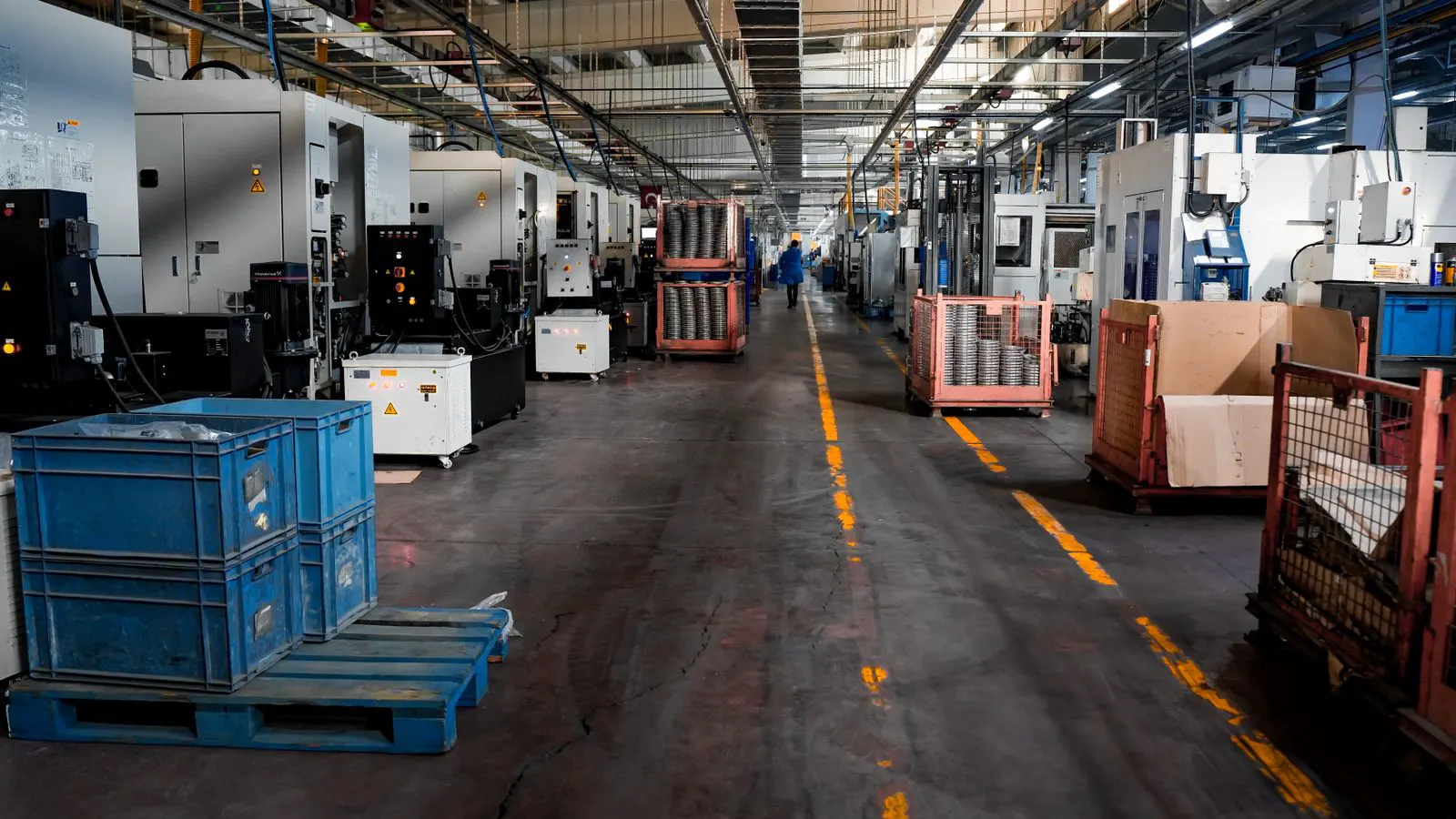
This is where you verify their capability. You must see their production facility. You need to see their test stands. A pump is a hydraulic and mechanical system. It must be tested.
Ask to see their hydrodynamic test bench. Are they testing every unit? Or are they testing only a sample? For critical applications, you should require 100% testing. Look at the instrumentation. Are the flow and pressure readings calibrated? Are the data logs saved electronically?
You also need to inspect their machining capability. If they cast their own impellers, where are the foundries? If they outsource shafts, where do they come from? You need to see the raw materials. Check the mill certificates for every batch of steel. If they cannot provide traceable material certificates, their quality control is weak.
The reason for the site audit is that documents can be misleading. A vendor can claim they have a certain capability. A site visit proves it. You are looking for discipline. Are the work areas clean? Are the tools calibrated? Are the operators following standard work procedures?
Step 3: Evaluate Their Quality Management System
A pump is a sealed system. Once it is assembled, you cannot see inside. You must trust the assembly process. This means you need a strong quality management system.
Look for a formal quality plan for your specific project. It should define acceptance criteria for every stage. Raw material receipt, machining, welding, assembly, and final test. Each stage needs a sign-off.
Check their non-conformance process. What happens when a part fails? Do they scrap it? Do they rework it? Who approves the rework? If they do not have a clear process for handling defects, they will hide problems.
The reason for this check is to ensure consistency. A good pump is not an accident. It is the result of a process. You need to know that the pump you receive is the same quality as the pump they sold to their last customer.
Step 4: Assess Supply Chain and Logistics
Pumps are complex. They use hundreds of parts. Many are outsourced. Bearings, seals, motors, and castings often come from different suppliers. This creates risk.
Ask about their single-source dependencies. If their bearing supplier has a plant fire, can they continue production? Do they have qualified alternate sources? You need to know if they have a backup plan for critical components.
Also, look at their logistics capability. Can they handle the size of the pump? Do they have the rigging equipment for heavy lifts? Will they ship the pump in a container or on a flatbed? If the pump is oversized, shipping is a major cost and risk.
The reason for this step is to prevent delivery delays. A late pump stops the entire project. You need a vendor who can manage their supply chain with the same rigor they manage their production.
Step 5: Review Financial Health and References
A strong vendor needs to be financially stable. They need cash flow to buy raw materials. They need working capital to cover their production run.
Check their financial statements. Look for debt levels and cash reserves. Talk to their credit agency. If you are buying a large quantity, consider a letter of credit or milestone payments. Do not pay 100% upfront.
Contact their references. Ask specific questions. Did they deliver on time? Was the documentation complete? How was their technical support? Ask for the name of the engineer you can call if you have a problem.
The reason for this step is to protect your project. If a vendor goes bankrupt, you will be stuck with half-finished pumps and no support. You need a partner, not a risk.
Step 6: Run a Pilot or Small Batch Order
Do not award the full contract on a proposal alone. Run a pilot. Order one or two pumps. Use them in a non-critical application first.
This lets you test their delivery, documentation, and support. Check the packing. Is the pump protected? Is the manual complete? Do the parts match the drawings?
Put the pilot pump in service. Monitor its performance. Is it running smooth? Are the vibration levels normal? Is the seal life as expected? This gives you real-world data.
The reason for the pilot is to verify performance. A pump can look good on paper. It can fail in the field. A pilot order is your chance to find problems before you commit to a large quantity.
Step 7: Define KPIs and Support Terms
Once you have selected a vendor, you need to define how you will measure their performance. Set KPIs. On-time delivery, first-pass yield, technical response time, and spare parts availability.
Include these in the contract. If they miss the KPIs, what is the penalty? Do they get a chance to fix it? Do you have the right to audit them?
You also need to define the support structure. Who is the contact person? What is the escalation path? Do they have a dedicated service engineer? What is the response time for a breakdown?
The reason for this step is to ensure accountability. A contract is a legal document. It needs clear terms. If you do not define the expectations, you will have disputes later.
Common Mistakes in Vendor Selection
The most common mistake is choosing the lowest price. A cheap pump often costs more over time. It may have poor materials, weak seals, or bad balance. You will spend more on maintenance and downtime.
Another mistake is relying only on the sales team. Salespeople want to close the deal. They may overpromise. You must talk to the engineers and the production managers. They will give you the real picture.
Do not skip the site audit. You cannot trust a vendor who will not let you see their facility. If they are hiding something, it is a red flag.
Also, do not ignore the documentation. A pump without proper drawings and manuals is a headache. You need the data to maintain the asset.
Final Verification Step
Before signing, do a final review. Check the contract against your technical package. Ensure all requirements are in the agreement. Verify the delivery schedule against your project timeline.
Confirm the payment terms. Ensure the warranty covers the full period. Check the spare parts list. Make sure the critical spares are included.
Finally, get sign-off from your operations team. The people who will run the pump need to be comfortable with the vendor. If they have doubts, do not proceed.
This final step ensures that all bases are covered. It is your last chance to catch a problem before it becomes a crisis.
Frequently asked questions
How long does the pump vendor qualification process take?
The process typically takes 3 to 6 months. It depends on the complexity of the pump and the vendor's responsiveness. A simple centrifugal pump may take less time. A large specialty pump may take longer.
What is the most important factor in vendor selection?
Technical capability is the most important factor. A vendor must be able to build the pump to your specifications. Price is important, but it should not be the only factor.
Do I need to audit a vendor's facility?
Yes, for critical projects, a site audit is recommended. It allows you to verify their production capacity, quality controls, and testing infrastructure. It also gives you a feel for their organization.
How do I handle a vendor who misses the delivery schedule?
You need to have a penalty clause in the contract. If they miss the schedule, you can charge a penalty. You can also require them to provide a recovery plan.
What is the role of the operations team in vendor selection?
The operations team ensures that the pump will be maintainable. They check the spare parts list, the manuals, and the support terms. Their sign-off is crucial before the contract is signed.