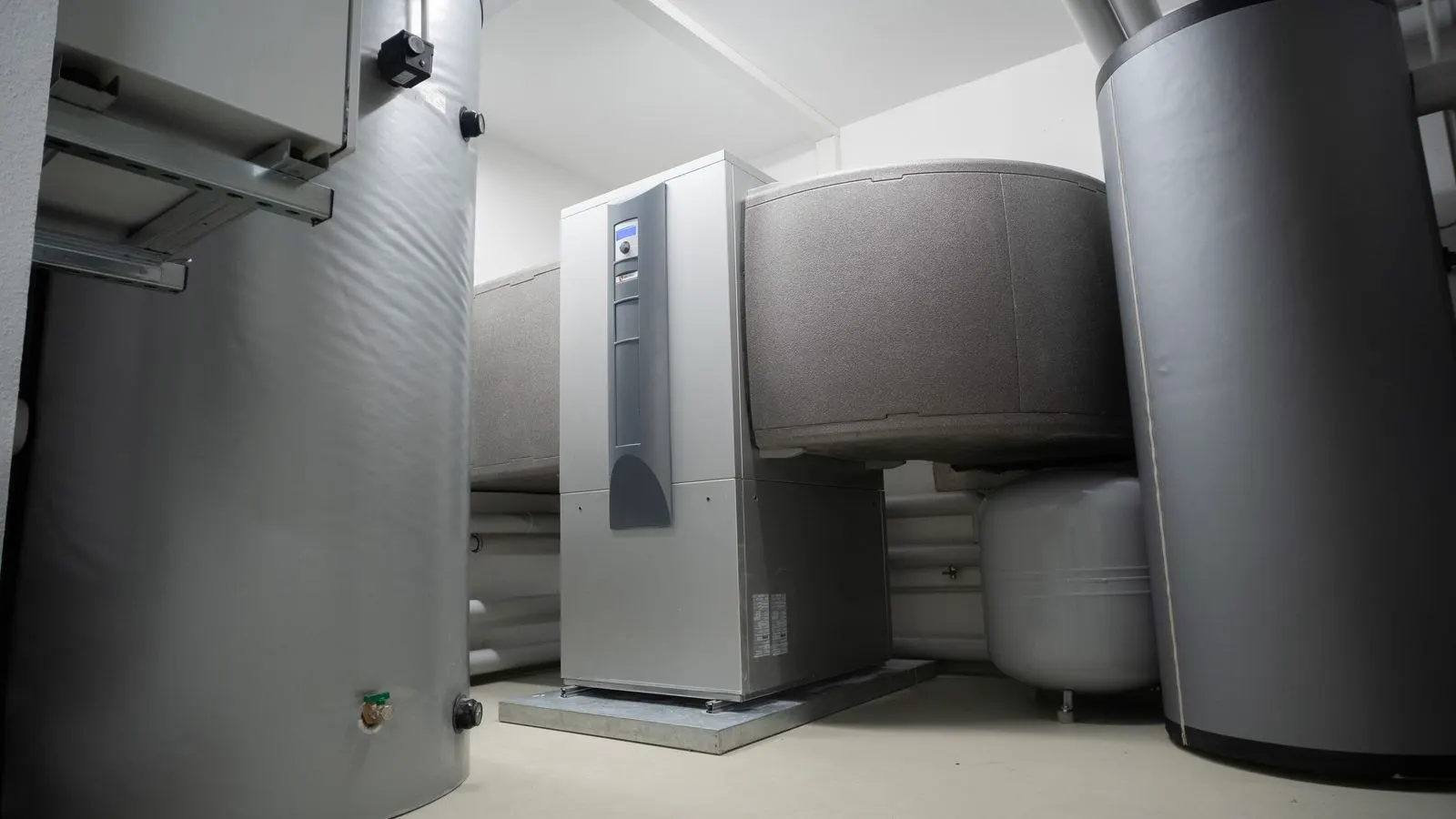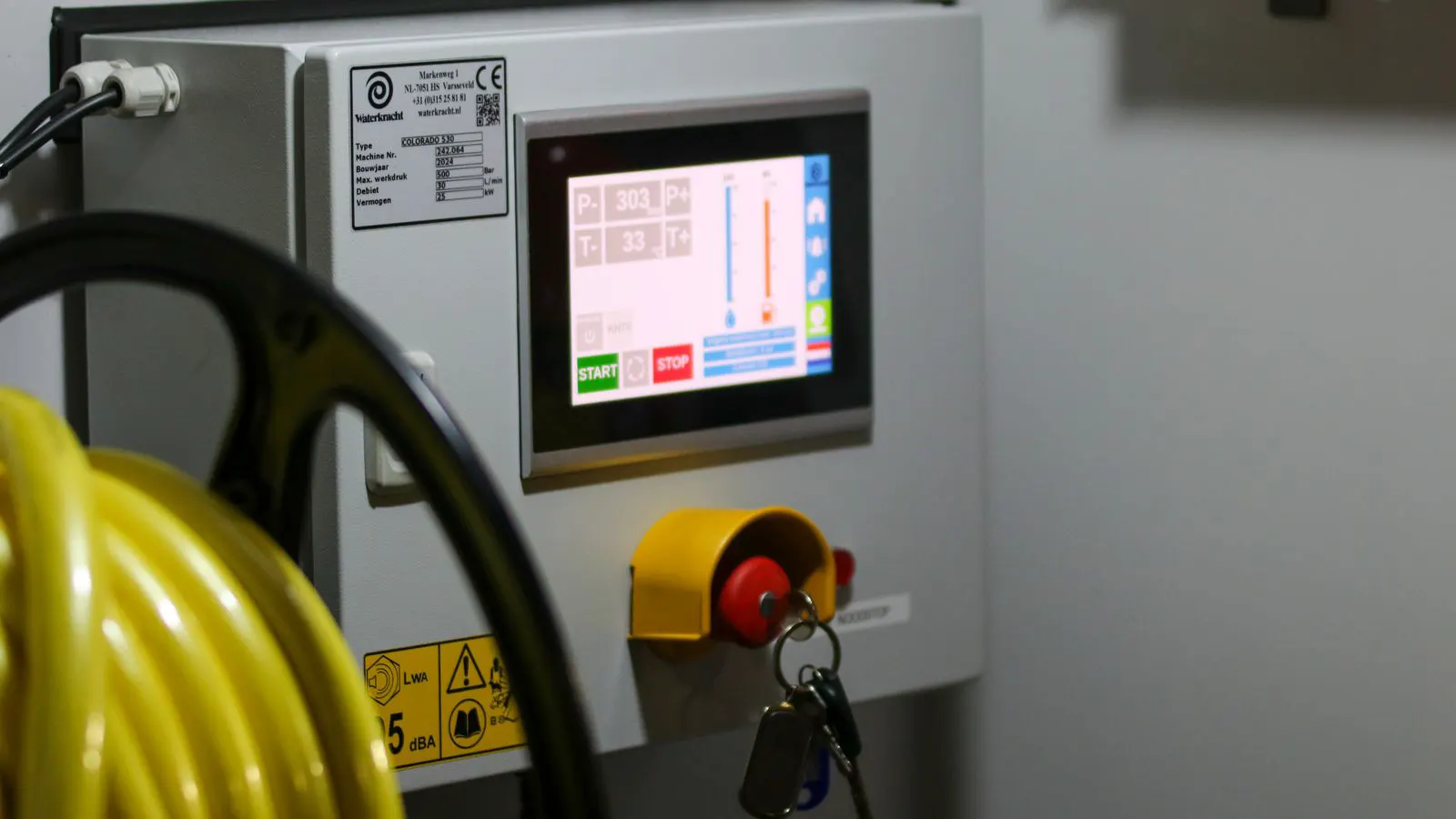
Low flow in a centrifugal pump usually comes from a blocked inlet, reduced speed, or a changed system curve. Check the impeller, suction conditions, and motor speed before replacing the pump.
- Low flow is often a system issue, not a pump failure.
- Check suction pressure and impeller clearance before disassembly.
- Match the operating point to the pump curve after changes.
- Use vibration and temperature to spot mechanical faults early.
- Keep records of flow, head, and power for future comparison.
A pump that runs but does not move enough fluid is a common problem in industrial settings. The motor spins, the seals hold, yet the process line starves. This is not always a broken impeller. It can be a blocked strainer, a closed valve, or a change in process demand.
This guide walks through how to troubleshoot low flow in centrifugal pumps. It focuses on the pump head, flow capacity, and the system conditions that control both.
Identify the actual symptom
Before opening anything, write down what changed. Did the flow drop suddenly or gradually? Is the discharge pressure low, high, or normal? Is the pump drawing more power, less power, or the same?
A sudden drop often points to a blockage or a process change. A gradual drop suggests wear, cavitation, or a slowly closing valve. The flow meter reading is only one data point. Compare it with pressure at the pump inlet and outlet.
If the flow is low but the discharge pressure is also low, the pump may be operating at a poor point on its curve. If the flow is low but discharge pressure is high, something is restricting flow downstream.
Check suction conditions first
Most low flow problems start at the suction side. A centrifugal pump needs a steady supply of fluid at the inlet. If the supply is weak, the pump cannot make up the difference.
Look for these items:
- Suction strainer or filter. A partially blocked strainer raises the suction resistance. The pump may cavitate or lose prime. Clean it and check the pressure drop across the element.
- Suction valve. A valve that is half closed or stuck reduces the available head. Open it fully and confirm the flow recovers.
- Suction line. Air leaks, a kinked hose, or a partially blocked pipe will reduce the supply. Listen for hissing at flanges and check for visible leaks.
- Source level. If the pump draws from a tank, the liquid level may be lower than expected. The static head to the impeller drops as the level falls.
- Air entrainment. If the suction line dips below the liquid level, it can pull air. Check the fill level and the shape of the line.
A simple test helps. Measure the pressure at the pump inlet. Compare it with the normal value. If the inlet pressure is low, the problem is upstream of the impeller. Do not blame the impeller yet.
Inspect the impeller and mechanical parts
If the suction is clean and the supply is good, look inside the pump.
The impeller is the main part that creates the flow. A worn impeller, a cracked blade, or a clogged eye will reduce the flow capacity. A damaged impeller may also show vibration and noise.
Check the impeller clearance. If the gap between the impeller and the casing is too large, fluid leaks back toward the suction. This lowers the head and the flow. The clearance may increase from wear, corrosion, or a loose mounting.
Also check the volute. A cracked or worn volute casing can leak internal fluid. This reduces efficiency and head. A small crack may not leak out of the pump, but it will bleed pressure inside the casing.
If the pump has a wear ring or seal ring, inspect it. Worn rings increase internal recirculation. Replace them if the gap is beyond the manufacturer’s tolerance.
Review the operating point
A pump does not work in isolation. It works with the system. The operating point is where the pump curve meets the system curve. If the system curve shifts, the operating point moves.
A closed or partially closed discharge valve moves the operating point to the right on the flow axis. The pump may run at a high head but low flow. A pump that is oversized for the system can operate at a low flow point for long periods.
If the process changed, the system curve may have changed. A new pipe length, a new restriction, or a different demand will move the operating point. Check the pressure readings and compare them with the original design values.
If the pump is running at a low flow point, it may overheat. The fluid is recirculating inside the pump. The motor may draw less power, but the liquid temperature can rise. Check the temperature at the discharge and compare it with normal.
Check motor speed and controls
Flow in a centrifugal pump is directly related to speed. If the speed drops, the flow drops. A variable frequency drive may be set lower than expected. A slip in a belt drive can also reduce speed.
Check the motor speed. If the drive is adjustable, confirm the setting. If the drive is fixed, check the actual speed with a tachometer. A worn belt or a loose coupling will reduce the effective speed.
Also check the drive output. A failing drive may limit the motor speed to protect it. The pump will run slower than it should. The drive may show a fault code or a reduced current limit.
If the pump is driven by a motor that is underpowered, it may not reach full speed under load. This is more common in older installations or in retrofits. Check the motor nameplate and compare it with the pump requirement.
Use a structured troubleshooting table
The table below lists common low flow symptoms, likely causes, and practical fixes. Use it as a quick reference when the pump is not meeting flow capacity.
| Symptom | Likely cause | What to do |
|---|---|---|
| Low flow, low discharge pressure | Partially closed discharge valve | Open the valve fully and verify the flow |
| Low flow, high discharge pressure | Blocked suction strainer | Clean the strainer and check for air leaks |
| Low flow, normal pressure | Worn impeller or excessive clearance | Inspect the impeller and replace worn parts |
| Low flow, high vibration | Misaligned coupling or worn bearings | Check alignment and replace bearings if needed |
| Low flow after process change | System curve shift | Recheck the operating point and adjust controls |
This table assumes the pump is mechanically sound. If the pump is making noise or showing signs of cavitation, address those issues first. Cavitation damages the impeller and reduces head quickly.
Prevent low flow problems in service
Prevention is cheaper than repair. A few habits will catch issues before they become downtime.
Keep the suction side clean. A strainer is not a filter. It is a trap. Clean it on a fixed schedule, not when the flow drops. Record the pressure drop across the strainer. A rising value indicates a blockage.
Monitor the operating point. If the process changes, the pump curve and system curve will move. Keep a log of flow, head, and power. A small shift over time can be caught early.
Check the impeller clearance during routine maintenance. Even a small increase in clearance can reduce the head. Use a feeler gauge or the manufacturer’s method. Do not assume the clearance is fine because the pump runs quiet.
Train operators to read the gauges. A low flow alarm is only useful if someone checks it. Set alarms for low flow and high temperature. If the alarm is ignored, it loses value.
Use the right pump for the job. An oversized pump can run at a low flow point for years. It will wear, overheat, and fail. If the flow varies widely, consider a variable speed drive or a pump with a wider stable range.
When to replace parts or the pump
Sometimes the fix is a replacement. If the impeller is cracked, replace it. If the volute is cracked, replace the casing. If the bearings are worn and the vibration is high, replace the bearings.
If the pump has a history of low flow and the parts are worn, consider replacing the pump. A pump that has been oversized for the system may not be worth saving. A pump that has been run at a low flow point for years may have internal damage that is not visible.
Before deciding to replace, check the system. If the system curve is wrong, a new pump will have the same problem. Fix the system first. Then select a pump that matches the required flow and head.
A pump that is matched to the system will run at a stable point. It will draw the expected power. It will not overheat. It will not cavitate. It will give a longer service life.
Low flow is a signal. It tells you that something in the pump or system is not working as designed. Use the checks above to find the cause. Fix the cause, not the symptom. The pump will recover when the operating point returns to the intended range.
Frequently asked questions
Why does a centrifugal pump produce low flow even though the motor is running at full speed?
The pump may be operating at a low point on its curve due to a closed valve or a blocked suction. Check the system curve and the suction pressure before assuming the impeller is worn.
Can a clogged suction strainer cause low flow without any noise?
Yes. A partially blocked strainer can reduce flow without making a loud noise, especially if the blockage is gradual. Check the pressure drop across the strainer to confirm.
How do I tell if the impeller clearance is too large?
Measure the gap between the impeller and the casing or wear ring. Compare it with the manufacturer's tolerance. If the gap is larger, internal recirculation will reduce head and flow.
What is the best way to prevent cavitation in a centrifugal pump?
Maintain good suction pressure, keep the strainer clean, and ensure the suction line is full of liquid. Avoid sharp bends and partial closures that reduce the supply.
Should I replace the pump if the flow is low but the pressure is normal?
Not immediately. Check the impeller, the clearance, and the system curve. A worn impeller or a shifted operating point is often fixable without a full replacement.